Image
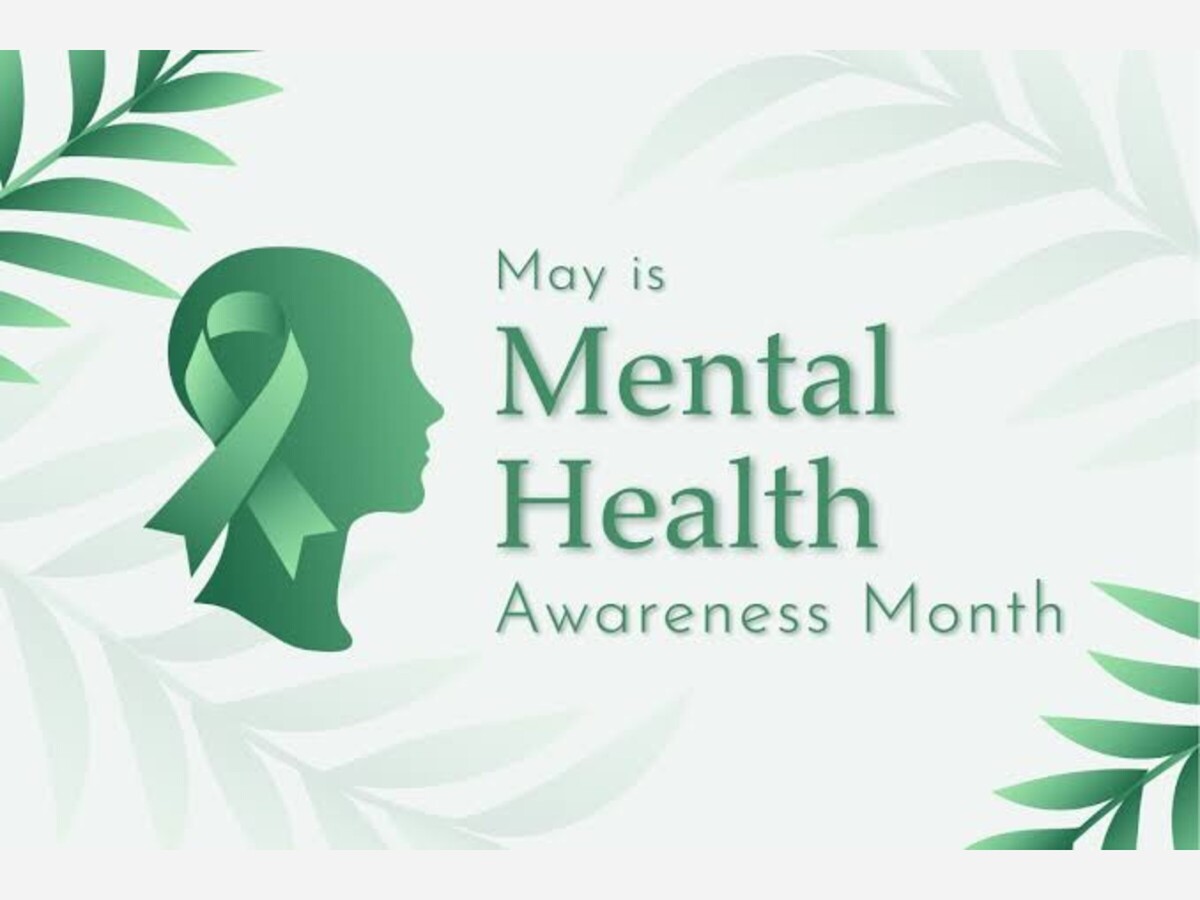
Google Image - Everyday we face mental health challenges



There are moments in life when the weight of grief, loss, fear, or uncertainty can leave even the strongest person feeling hopeless. During one of those difficult seasons, Jane struggled emotionally, and her daughter, wanting to make sure her mother was safe and supported, contacted a crisis help line. She hoped they would provide resources, encouragement, and follow-up during the weekend while Jane regained her footing.
The follow-up calls were intended to offer reassurance and connection. Instead, one conversation left a lasting impression for a very different reason.
When the phone rang, the specialist began with, "Hi, we're calling to speak with you. Do you feel like killing yourself today or harming yourself?"
Before the call, Jane had been enjoying a peaceful morning. She felt grateful, hopeful, and was beginning to believe she was moving beyond the darkest moments. But hearing those words so abruptly caught her completely off guard. She became speechless. Tears welled up in her eyes as she struggled to understand why such a deeply personal question was asked without any introduction, warmth, or effort to build trust. She politely ended the conversation.
Long after the call ended, Jane reflected on the experience. She understood that crisis specialists have an important responsibility to assess a person's safety. She did not question the importance of asking about suicide or self-harm. What troubled her was how the question was delivered. To her, it felt clinical rather than compassionate, procedural rather than personal.
She wondered what had happened to mindfulness, empathy, and genuine human connection. Could the conversation have started differently? Perhaps with, "Hi, Jane. I'm calling to check in and see how you're doing today. How have you been feeling since we last spoke?" A few moments of listening and acknowledging her feelings might have created a sense of comfort before asking the difficult but necessary questions.
Jane realized that words matter, but timing, tone, and presence matter just as much. People who are emotionally vulnerable often remember not only what was said but also how they were made to feel. A caring voice, patience, and a moment to establish trust can transform an assessment into a meaningful human connection.
The experience also led Jane to think about the people working on the other end of the phone. Crisis counselors carry an enormous emotional burden. They speak with people in pain every day, often under significant time pressure and while following required assessment protocols. She wondered whether they, too, receive enough support, training, and opportunities to care for their own mental well-being. When compassion becomes overshadowed by checklists and scripts, everyone loses something important.
Jane's experience raises a larger question about today's healthcare system. As medical and mental health services become increasingly driven by efficiency, documentation, and risk management, is there still enough room for empathy? Are professionals given the time and support they need to truly connect with the people they serve?
Mental health care is not only about identifying risk. It is about helping people feel seen, heard, and valued. Sometimes the most healing intervention is not simply asking the right question, but asking it with kindness, respect, and genuine concern.
Jane's story is a reminder that compassion is not an optional part of care—it is an essential part of healing. Protocols save lives, but empathy helps people find hope. The best care combines both.



Overcast, with a high of 75 and low of 59 degrees. Partly Cloudy in the morning, overcast for the afternoon, patchy rain nearby overnight.