Image
Google Image



During Breast Cancer Awareness Month, one woman's story of friendship reminds us that regular screenings, timely medical care, and simple acts of kindness can make a powerful difference in the lives of those facing cancer.
October is recognized as Breast Cancer Awareness Month, a time to raise awareness, encourage early detection, honor survivors, and remember those whose lives have been touched by this disease. Pink ribbons may be the symbol we see everywhere, but behind every ribbon is a person, a family, and a story that deserves to be heard.
Cancer is more than a diagnosis. It can change how people see themselves, affect their families, interrupt everyday routines, and bring uncertainty about the future. Yet amid the medical appointments, treatments, and difficult days, something remains just as important as ever: human connection.
Sometimes, what a person battling cancer needs most is not another medical conversation. It is a friend who shows up, a loved one who listens, or someone willing to spend an ordinary day together.
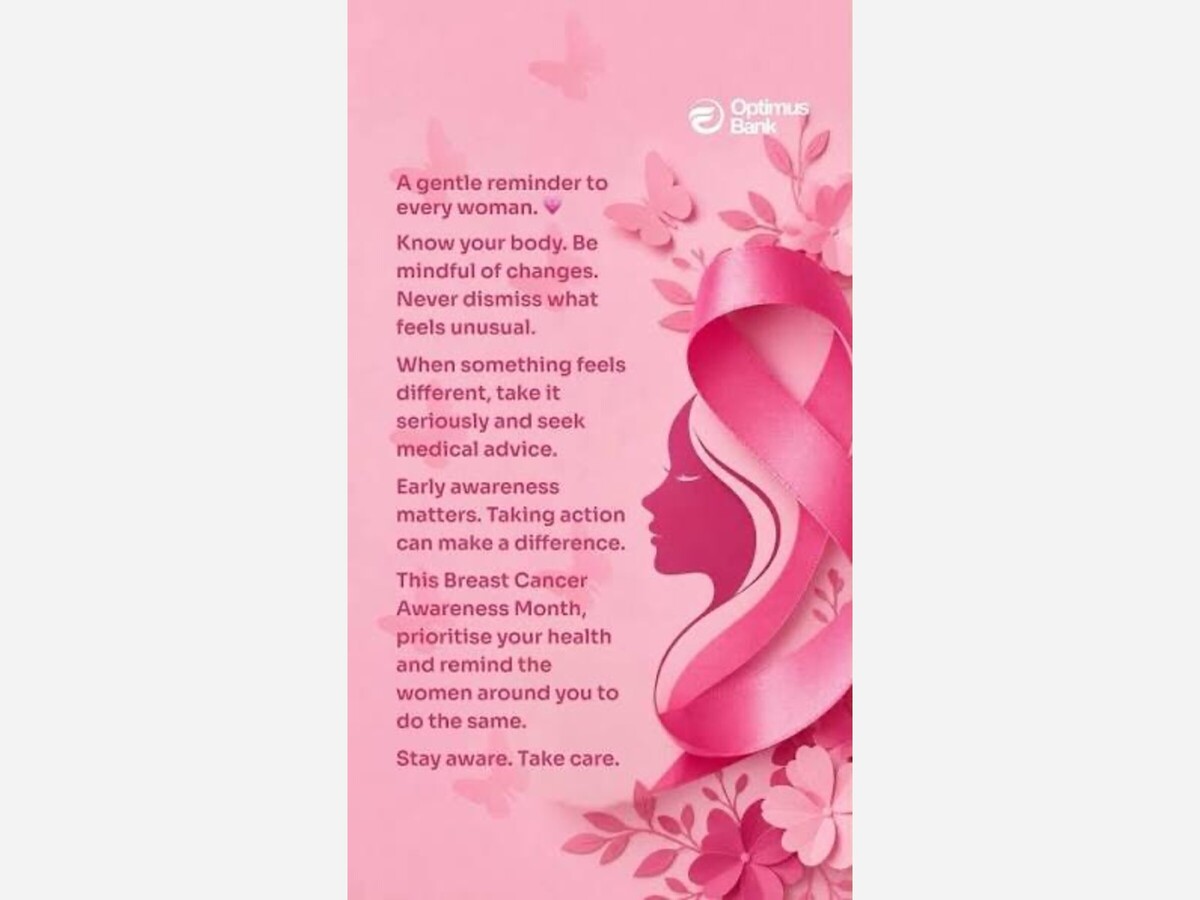
One of the most important messages of cancer awareness is simple: Do not put off your health screenings or ignore changes in your body.
Early detection means finding cancer before it has grown or spread, when possible. For certain cancers, screening can identify disease at an earlier stage, when treatment is more likely to work well. Some screening tests can even identify precancerous changes before cancer develops. The U.S. Centers for Disease Control and Prevention identifies breast, cervical, colorectal, and certain lung cancer screenings as important tools for people who meet the applicable recommendations
For breast cancer, mammograms can sometimes detect a tumor before it can be felt. Finding cancer early may give patients more treatment options and improve their chances of a favorable outcome.
Women should talk with their healthcare providers about when to begin mammograms, how often to receive them, and whether family history or other risk factors call for a different screening plan. Anyone who notices a new breast lump, changes in breast shape or size, skin dimpling, nipple changes, or unusual discharge should seek medical evaluation rather than waiting for the next routine screening.
It is also important to remember that cancer can affect men as well as women, and not every cancer has a recommended screening test for people without symptoms.
Your health is worth the appointment. Your future is worth the conversation.
Yesterday, I spent the day with a close friend who is a breast cancer survivor. At age 61, she underwent surgery, faced many hard decions about her health yet remain hopeful and grateful.
As we spent time together shopping and enjoying lunch, I was reminded of something important: life continues beyond a cancer diagnosis, and friendship can help make that journey a little brighter.
Our day was not defined by hospital rooms, medical procedures, or conversations about illness. We were simply two friends enjoying each other's company. We shopped, shared a meal, talked, and made time for the kind of everyday experiences that can be easy to overlook.
That day meant something to me because it reinforced a message I want others to hear: A person who has experienced cancer is still the same person who deserves laughter, friendship, joy, respect, and the opportunity to enjoy life.
A cancer survivor should not have to spend every conversation discussing cancer. Sometimes, a little normalcy is a gift. Sometimes, going out to lunch or browsing through a favorite store can provide a welcome change of scenery.
Every survivor's experience is different, and not everyone will feel up to an outing. The important thing is to ask, listen, and let your loved one decide what feels right.
My time with my friend reminded me that support does not always require grand gestures. Sometimes, it means making time for someone and letting them know they have not been forgotten.

Google Image
Chemotherapy can be physically and emotionally demanding. Depending on the medications and the individual, a person may experience fatigue, nausea, appetite changes, hair loss, or other side effects. Some treatments can also weaken the immune system, increasing the risk of infection.
Friends and family members may want to help but worry about saying the wrong thing. The truth is that you do not have to have all the right words. What matters most is showing up with compassion, respecting the person's needs, and following through on your promises. The American Cancer Society encourages friends to stay connected, listen without judgment, and offer practical assistance.
Here are six meaningful ways to help:
1. Offer practical help.
Instead of saying, “Let me know if you need anything,” offer something specific. You might say, “Can I take you to your appointment Thursday?” or “Would you like me to pick up groceries this afternoon?”
Transportation, errands, laundry, meal preparation, and help around the house can ease the pressure when energy is limited.
2. Make time for companionship.
A phone call, a short visit, a favorite movie, or lunch together when the person feels well enough can make a difficult period feel less isolating. Keep inviting your loved one to activities, even if they sometimes need to decline or reschedule.
3. Listen without trying to fix everything.
Some days, your loved one may want to talk about fear, frustration, or sadness. Other days, they may prefer to discuss family, work, entertainment, or something funny that happened.
Let them lead the conversation. You do not need to offer advice or turn every difficult moment into a motivational speech.
4. Be mindful of infection risks.
People receiving some forms of chemotherapy may be more vulnerable to infections. If you are sick, have a fever, or have symptoms of a contagious illness, postpone your visit. Ask about any precautions recommended by the person's cancer care team.
5. Respect their appearance, feelings, and choices.
Cancer treatment and surgery can change a person's body and sense of identity. Avoid making assumptions about how someone feels about hair loss, mastectomy, scars, or other changes. Do not pressure them to appear strong or positive every day.
Instead, let them know they are valued for who they are, not for how they look or how well they cope.
6. Keep showing up after treatment ends.
Support should not disappear when chemotherapy ends or the immediate crisis passes. Survivors may continue to experience fatigue, emotional stress, financial challenges, or concerns about recurrence.
A simple message saying, “I'm still here for you,” followed by consistent action, can mean more than you realize.
When someone you love has cancer, you may feel pressure to say something inspiring. But sometimes, the most caring response is simply to acknowledge what they are going through.
Instead of saying, “You have to stay strong,” try: “You don't have to be strong every day. I'm here for you.”
Instead of saying, “Everything happens for a reason,” try: “I'm sorry you're going through this. How can I support you?”
Instead of saying, “Let me know if you need anything,” try: “I'm going to the grocery store. What can I pick up for you?”
And remember, avoid offering unrequested medical advice, unproven remedies, or judgments about someone's treatment decisions. Leave medical guidance to the patient's healthcare team.
Kindness begins when we stop assuming we know what someone needs and take the time to ask.
Cancer awareness should extend beyond wearing pink in October. It should encourage us to schedule overdue screenings, check on family members, support survivors, and offer practical help to people navigating treatment.
It also means recognizing the caregivers who accompany loved ones to appointments, manage household responsibilities, provide emotional support, and sometimes quietly struggle with their own fears.
If you know someone going through cancer treatment, consider what you can do this week. Make a phone call. Offer a ride. Bring a meal if it is appropriate for their medical needs. Invite them to lunch. Sit with them. Send a thoughtful message. And if they need rest instead of company, respect that, too.
You do not have to solve the problem to make a difference in someone's life.
My day with my friend reminded me that even after major surgery and a difficult cancer journey, there is room for laughter, shopping, lunch, friendship, and new memories.
Her experience is a reminder that survivors are more than their diagnoses. They are friends, mothers, sisters, daughters, coworkers, neighbors, and people with hopes and plans for the future.
As we recognize Breast Cancer Awareness Month, let us do more than talk about cancer. Let us take our health seriously, encourage early detection, and become the kind of friends and family members who offer support without judgment.
Schedule the screening. Make the call. Show up with kindness. Keep inviting your loved one to live, laugh, and share in life's moments.
Because while early detection can save lives, compassion can help people feel less alone as they navigate the journey.
This article is for general awareness and does not replace advice from a qualified healthcare professional. Screening recommendations depend on the type of cancer, age, personal history, and individual risk factors.

Google Images



Sunny, with a high of 61 and low of 37 degrees. Sunny during the morning, clear in the afternoon and evening,