Image
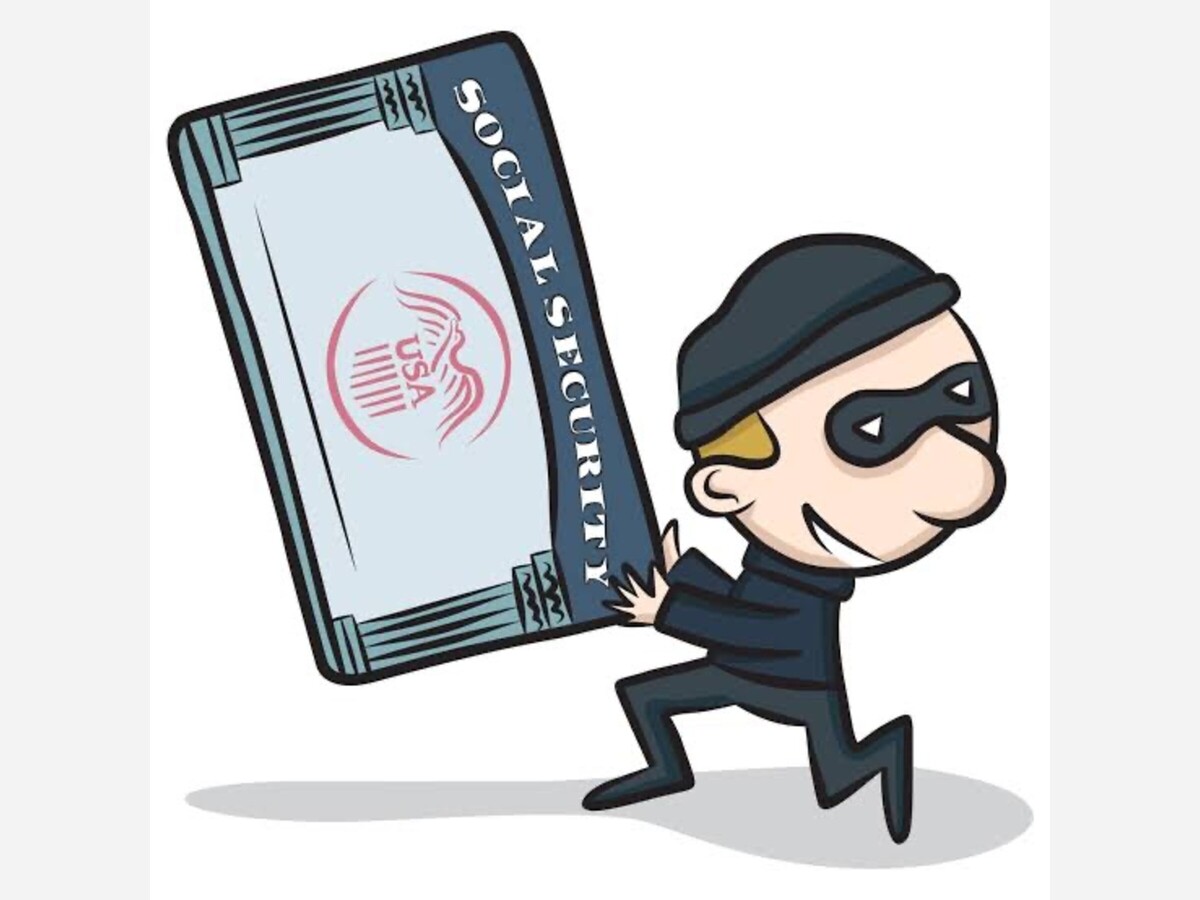
Google Image



Protect Your Identity: Your Personal Information Is Worth Protecting
Identity theft can drain your finances, damage your credit, and turn your life upside down. Learn the warning signs and take simple steps to protect yourself.
In today's digital world, protecting your identity is just as important as protecting your home, your money, and your family. A few pieces of personal information falling into the wrong hands can create months—or even years—of financial and emotional stress. The good news is that there are steps everyone can take to reduce the risk of becoming a victim.
Identity theft occurs when someone uses your personal or financial information without your permission, often to commit fraud or other crimes. Thieves may obtain your name, address, credit card information, bank account numbers, Social Security number, or medical insurance information and use it for their own benefit.
Someone who steals your identity may use your information to:
Victims may not discover the theft until they receive an unfamiliar bill, notice an unexpected withdrawal, or find accounts on their credit reports that they never opened.
1. Freeze Your Credit Reports
A credit freeze is one of the most effective ways to help prevent someone from opening new credit accounts in your name. Contact all three major credit bureaus—Experian, Equifax, and TransUnion—to place a freeze on your credit reports. Freezes are free to place and lift.
A credit freeze does not prevent every type of identity theft, but it can make it much harder for criminals to open new credit accounts using your information.
2. Keep Personal Documents Secure
Store important documents, including your birth certificate, Social Security card, financial statements, and other records containing sensitive information, in a secure location. Before throwing away paperwork that contains personal or financial details, shred it rather than placing it intact in the trash.
3. Be Cautious of Unexpected Phone Calls and Messages
Never give your Social Security number, passwords, or financial information to someone who contacts you unexpectedly. Scammers may pretend to represent the Social Security Administration, the IRS, your bank, or another trusted organization. They may even know the last four digits of your Social Security number to make their story sound convincing.
Do not assume a caller is legitimate simply because they know some of your information. Hang up and contact the organization directly using a phone number from its official website or your account statement.
4. Review Your Bills and Bank Statements Regularly
Make it a habit to examine your bank accounts, credit card statements, and bills. Look for unfamiliar purchases, unauthorized transfers, unexpected charges, or accounts you do not recognize. Report suspicious activity to your financial institution promptly.
Early detection can help limit the damage and make it easier to respond before the problem grows.
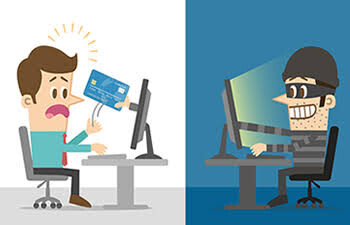
Google images
5. Strengthen Your Online and Phone Security
Use strong, unique passwords for your accounts. Consider a password manager to help you create and securely store them. Enable two-factor authentication whenever it is available. This extra layer of protection may require a verification code or approval through an authentication app when someone attempts to sign in.
Be careful when clicking links in unexpected emails or text messages, and avoid entering personal information on websites unless you have verified that they are legitimate.
If you suspect that someone has stolen your identity, act quickly. Contact the bank or company involved, report fraudulent transactions, and secure any affected accounts. Review your credit reports for unfamiliar activity and consider placing a fraud alert or credit freeze.
You can also visit IdentityTheft.gov, the Federal Trade Commission's official resource, for guidance on reporting identity theft and developing a recovery plan.
You do not have to face identity theft alone. These trusted resources can help you protect your information, monitor your credit, and recover if your identity has been compromised.
Remember that you must contact each credit bureau separately to freeze your credit. A freeze is free and does not lower your credit score.
Identity theft can happen to anyone, regardless of age, income, or background. Taking a few minutes to secure your documents, strengthen your passwords, monitor your accounts, and question unexpected requests for personal information can make a meaningful difference.
Your personal information belongs to you. You do not have to share it simply because someone asks for it. Stay alert, ask questions, and take action to protect your identity before a criminal has the opportunity to misuse it.
Community awareness matters. Share this article with family members, friends, and neighbors to help others recognize the risks and take steps to protect themselves.


Sunny, with a high of 61 and low of 37 degrees. Sunny during the morning, clear in the afternoon and evening,