48° and Overcast



Image
August 24, 2026
Business San Diego delivers in-depth profiles of founders and insights into San Diego's most successful companies, executives, and technologies. Subscribe to make sure you don’t miss the next story.
 |
Cooley is headquartered in Torrey Pines, near UC San Diego, the Salk Institute.
SAN DIEGO — On Thursday Aug 13, San Diego’s leaders in the local defense ecosystem gathered for an invite only event at Cooley’s Torrey Pines office.
The panel featured Larsen Jensen, general partner at Harpoon Ventures, Dan Magy, co-founder of Firestorm Labs, Justin Nahama general partner at the Veteran Fund and Skyler Shuford, founder of Reaxiomatic.
The discussion brought together subject-matter experts to share perspectives on the biggest opportunities and challenges facing the industry.
The defense tech sector — fueled by a domestic manufacturing push, the rise of private spaceflight and heavy investment in autonomous systems — has attracted growing interest from both private and public markets over the last twelve months.
The room was filled with shared optimism, though the surge has also raised questions around whether the industry is experiencing a bubble.
 |
Defense tech’s venture capital boom is attracting tourists and founders worry some won’t understand the government’s notoriously unpredictable procurement cycle.
The panelists acknowledged there are “tourists” entering the sector, but also pointed to the inherent defensibility of hard tech.
One panelist expressed concerns regarding investor education, noting that some large funds lack fundamental understanding of defense-specific issues.
He recalled speaking with an investor at a large fund who had already made several defense investments but could not explain what a continuing resolution was.
“There are definitely some tourists here,” said Dan Magy, chief executive of Firestorm. “It’s up to anyone who’s raising capital and then deploying that capital on the founder side to make sure you are educating people effectively.
“Unfortunately, there’s going to be a lot of sad pandas in the next year too, especially after the midterm elections,” he added.
 |
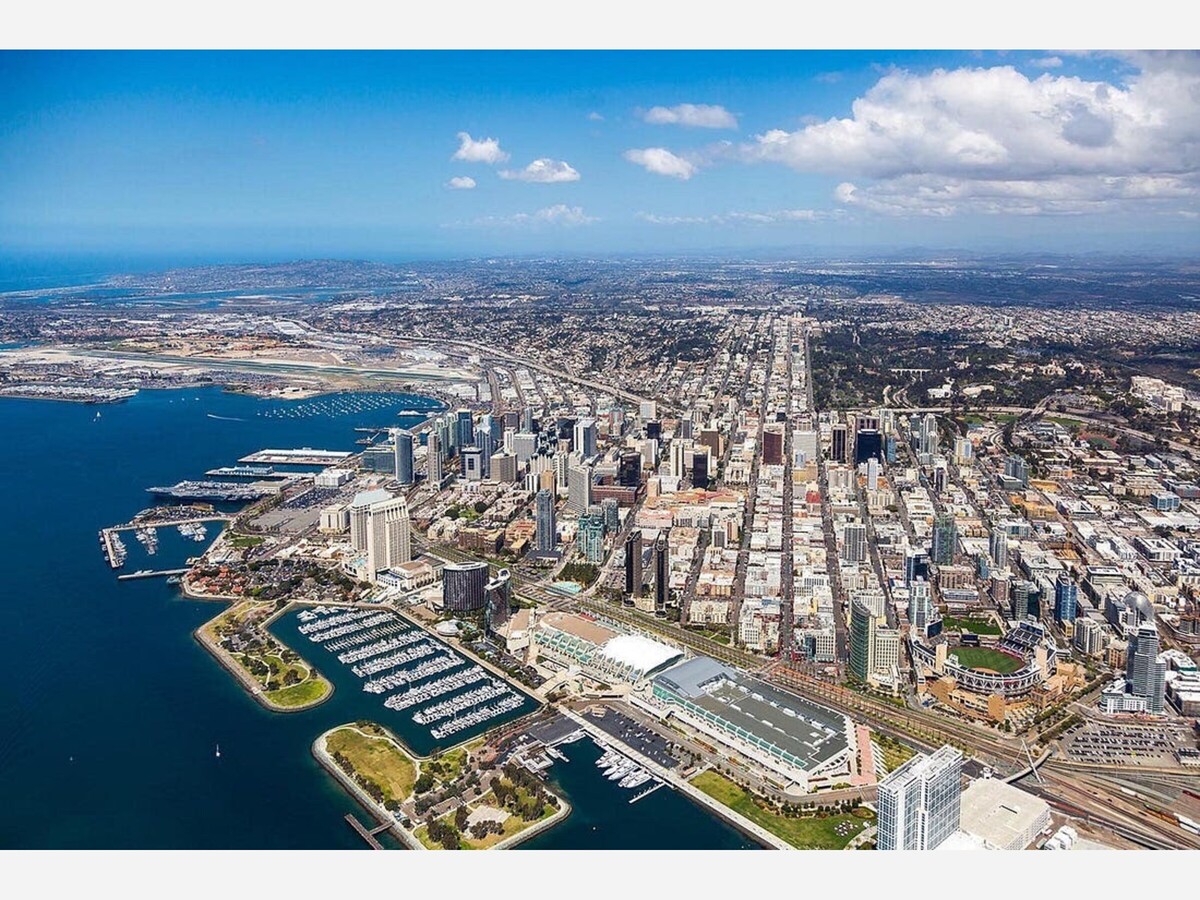
Similar to L.A., San Diego has many of the ingredients of a major defense-tech ecosystem: military expertise, engineering talent, established primes, venture-backed startups and a growing network of investors.
While the opportunity in defense has grown exponentially, venture-backed startups must survive long procurement cycles and changing capital markets.
Success in defense tech requires solving acute pain points rather than simply developing “technology or AI-enabled widgets, argued Skyler Shuford.
His seed-stage startup, Reax emerged from stealth mode in June. The aerospace startup raised $7.25 million from Scout Ventures, NVP Capitaland Bling Capital.
Shuford spent more than a decade building in defense tech. The company has remained relatively quiet about its go-to-market strategy.
He mentioned they are focused on developing “complex defense platforms” which are receiving less attention than drones and other smaller autonomous systems.
He recalled a time when investors wouldn’t touch companies working anywhere near this type of technology.
“Things are definitely different now, which is great. There’s a lot of capital pouring in here. The reason we’re all here is because the legacy approach to delivering these systems has been failing. That’s why we are here. To capture that alpha and deliver on it,” said Skyler Shuford, founder of Reaxiomatic.
 |
Defense tech investing has become one of the hottest areas of private capital.
Panelists remain optimistic that San Diego’s defense tech ecosystem could see a boom similar to Los Angeles as more young companies succeed in the sector.
It already has the infrastructure, including military personnel, aerospace companies, robotics expertise and a growing network of venture-backed operators.
The city is also home to one of the largest concentrations of military personnel on the West Coast, including the Navy, Marine Corps, and Coast Guard installations. That talent and resources are key the city’s economic growth engine as well.
“There’s nowhere better to build a defense company than here,” said Magy. “San Diego’s big time when it comes to the talent you can get. If you're up in El Segundo or Los Angeles or Long Beach — you're fighting a lot of incredibly well-funded companies.”
 |
On June 12, SpaceX employees celebrated during a closing bell ceremony for its highly anticipated initial public offering in New York.
In Los Angeles, venture-backed startups have churned out in-demand military and space technology at a much faster pace than San Diego.
That momentum has been fuelds by a growing number of defense companies going public. The most recent win for Los Angeles was SpaceX going public in June.
The coastal corridor from El Segundo to Long Beach includes hundreds of early-stage defense and advanced manufacturing startups such as Anduril, Mach Industries, and Chaos Industries.
Unlike Silicon Valley and L.A., San Diego has yet to produce the kind of breakout hard tech company that creates a cascading effect of founders, executives and VCs.
“We’re seeing that in the L.A. area, by virtue of SpaceX and other successful exits that have occurred there. We really don’t have that in San Diego yet. We need more builders to come here and build,” said Larsen Jensen. “We got a lot of great opportunities here, but we need capital, more resources, and that’s why I’m here.”
“I like to say, the future is already here, it's just not evenly distributed yet.”
Fred Grier is a commercial real estate advisor at JLL. Outside of JLL, he manages Business of San Diego, a newsletter focused on San Diego’s venture capital ecosystem.
He is a former award-winning business journalist at the San Diego Business Journal, where he covered tech and life science news. Reach him at: fred.grier@jll.com or follow him on LinkedIn.
You're currently a free subscriber to Business San Diego. For the full experience, upgrade your subscription.



Sunny, with a high of 70 and low of 48 degrees. Sunny in the morning, overcast during the afternoon and evening, clear overnight.