44° and Clear



Image
How Local Generosity Is Transforming Communities and Changing Lives
Across the United States, a quiet revolution in philanthropy is taking place—one that many people never see but millions of families benefit from every year. It is the work of community foundations, organizations built on a simple but powerful idea: when communities invest in themselves, they create lasting change.
More than a century ago, the modern community foundation movement began with the creation of the Cleveland Foundation in 1914. Its founders believed that charitable resources could be pooled together into permanent funds that would serve the needs of a community forever. That idea sparked a movement that has spread across the entire country.
Today, the United States is home to nearly 900 community foundations, operating in both urban and rural regions and serving communities of every size. (commfoundations.com)
These foundations collectively manage over $150 billion in charitable assets and distribute more than $16 billion in grants every year to nonprofits that support education, health care, youth programs, housing, and community development. (Council on Foundations)
Those numbers represent something much bigger than financial statistics. They represent hope, opportunity, and community transformation.
Democratizing Philanthropy
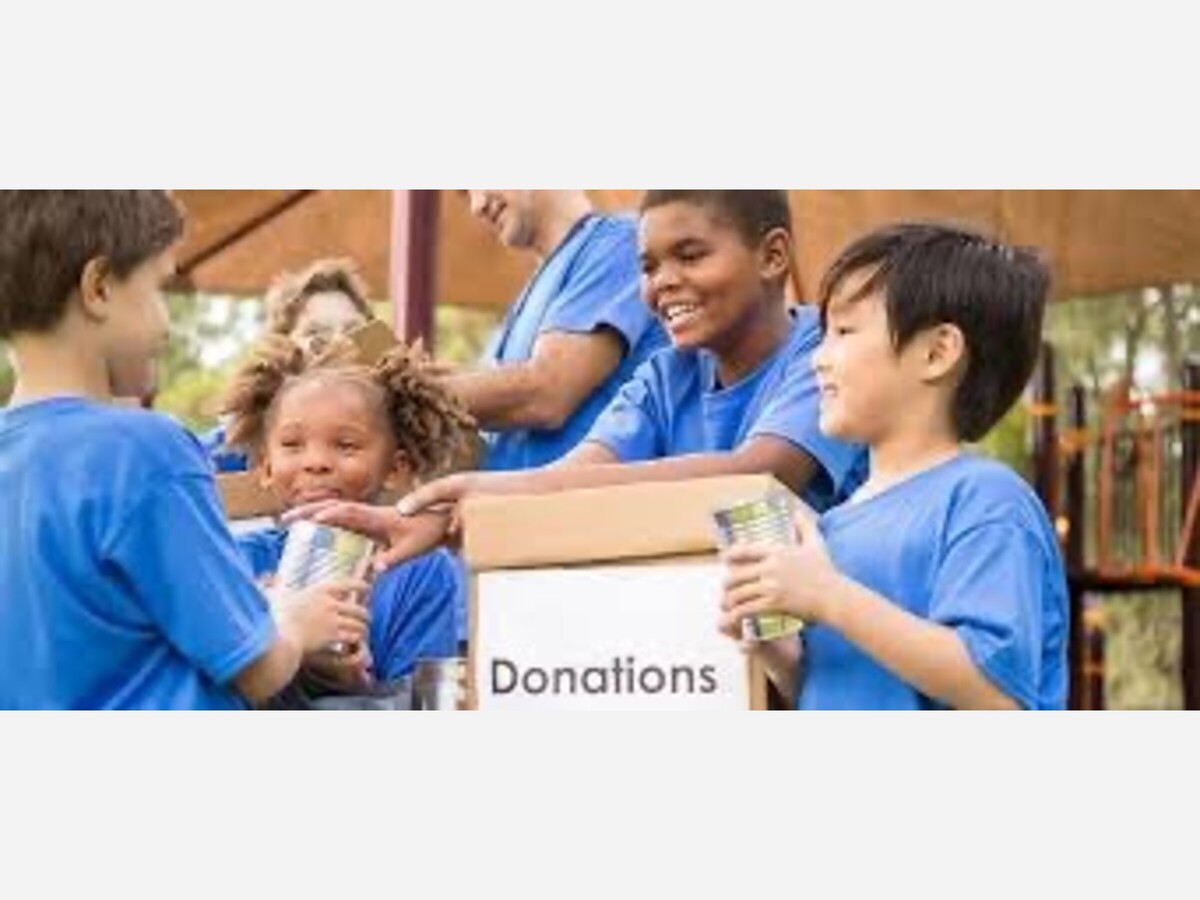
One of the most powerful aspects of community foundations is that they democratize giving. Philanthropy is no longer limited to billionaires or large national foundations. Everyday people—teachers, business owners, retirees, and families—can contribute to funds that grow over time and support the community for generations.
When individuals give to community foundations, their gifts are often placed into endowments, permanent funds that are invested so the earnings can support causes forever. This means that a single gift today may continue funding scholarships, youth programs, or community initiatives decades into the future.
Across the country, community foundations now account for a significant share of charitable funding. In fact, they distribute over $20 billion annually, representing a meaningful portion of foundation-based giving in the United States. (ZipDo)
Fueling Local Solutions
What makes community foundations unique is that decisions are made locally. Instead of distant organizations deciding how money should be spent, community leaders and residents help determine where resources are needed most.
This local knowledge allows community foundations to address real challenges such as:
Because of their close connection to the communities they serve, community foundations often become the backbone of regional nonprofit ecosystems.
In Michigan alone, community foundations have helped fund scholarships for students, grants for local nonprofits, and revitalization projects that strengthen entire neighborhoods.
Investing in the Next Generation
Perhaps the most powerful impact of community foundations is their investment in young people and the future of communities.
Scholarship funds help students attend college who otherwise might not have had the opportunity. Youth programs introduce children to science, technology, and leadership. Community initiatives create safe spaces where young people can learn, grow, and dream.
When a community foundation invests in one child, it often changes the trajectory of an entire family.
And when that investment is multiplied across hundreds of programs and thousands of students, it transforms an entire community.
A Vision for the Future
Community foundations are sometimes described as “philanthropy’s best-kept secret.” Yet their impact continues to grow every year as more people realize the power of collective giving.
The real beauty of community foundations lies in their sustainability. They are not temporary programs or short-term campaigns. They are permanent institutions designed to serve communities for generations.
Imagine what could happen if every city, every neighborhood, and every community built its own philanthropic engine—one that continually invests in education, opportunity, and human potential.
That is the vision community foundations represent.
Not just charity.
Not just grants.
But a long-term investment in people, possibility, and the future of our communities.



Sunny, with a high of 67 and low of 43 degrees. Sunny in the morning, clear in the afternoon and evening,