Image
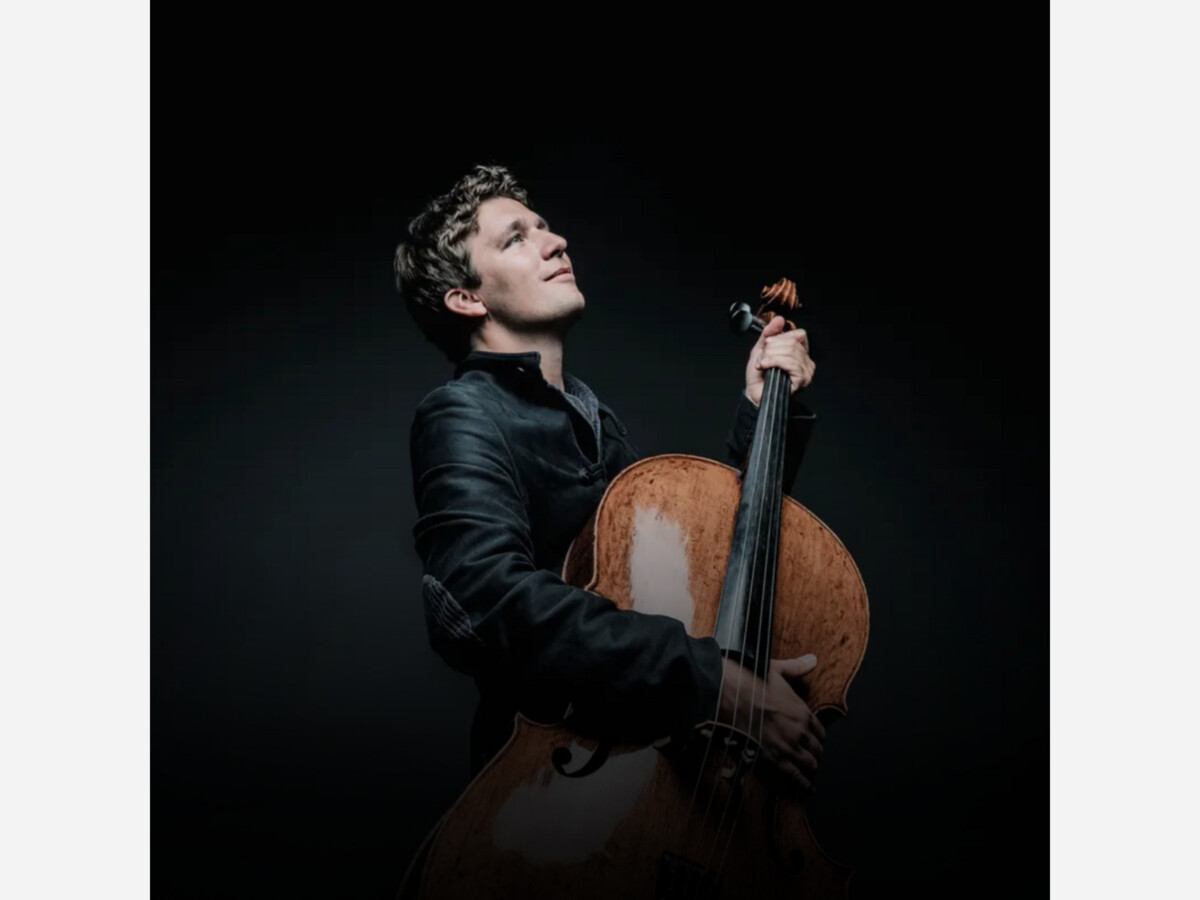
Maximilian Hornung cello



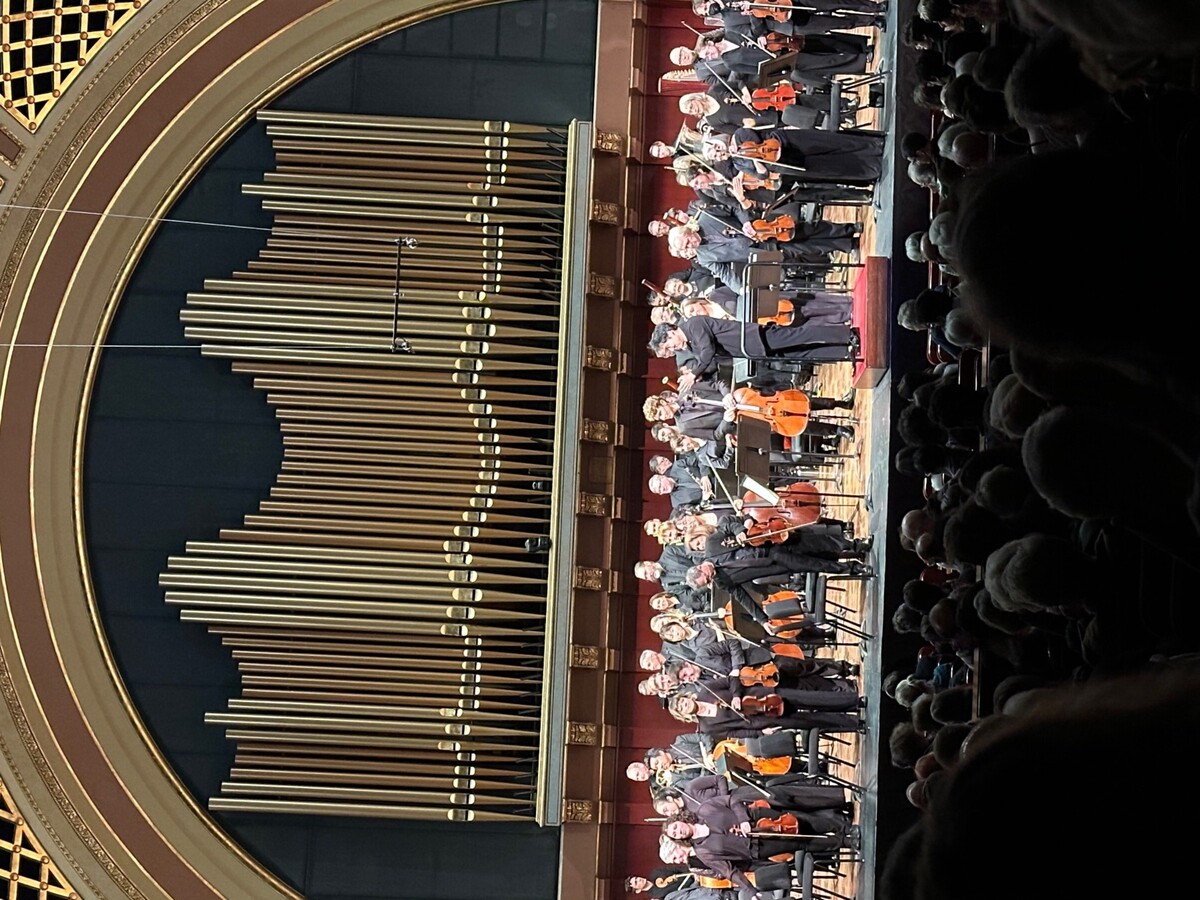
Music captivates the mind, body and soul of every person living, especially when the acoustic sound comes from a place of brilliance and mastery. The University of Michigan Hall Auditorium, Gift of Arthur Hill DSE Civil Engineering Class of 1865.
April 25, 2025 we are still able to feel the experience of the Ann Arbor Symphony Orchestra in its 97th season. Truly fulfilling its mission to nurture a life-long love of music through imaginative and inspiring experiences for the listeners of today and tomorrow. The program starts with a discription of the artist Maximilian Hornung cello.
Maximilian Hornung cello
Season Finale: Holst’s The Planets
Maximilian Hornung is regarded as one of the most remarkable cellists on the international stage. Alongside his exceptional technical mastery an versatility, his playing is characterised by an extraordinary depth of tone, and boundless range of colours, and a natural sophistication. The sincerity of his performances allows him to channel the purest expression of the music he plays, connecting the audiences in a profound and meaningful way. In addition to much-loved core repertoire, Hornung carries an impressive and wide-ranging repertory, and devotes himself to lesser-known cello masterpieces. ( program content )
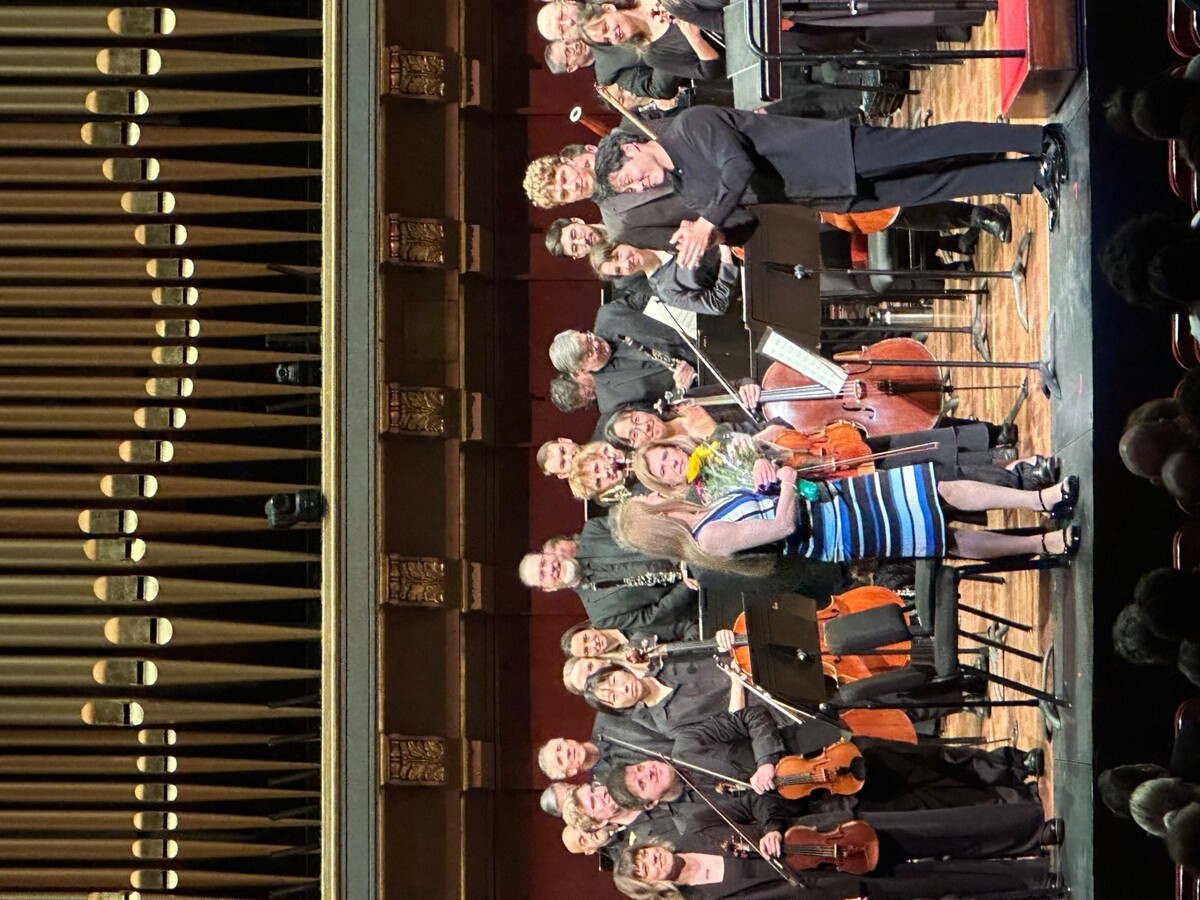
Earl Lee conductor & Music Director Winner of the 2022 Sir Georg Solti Conducting Award, Earl Lee is a renowned Korean Canadian conductor who has captivated audiences worldwide. Music Director of the Ann Arbor Symphony Orchestra since 2022,he recently finished a successful three year tenure as Assistant Conductor of the Boston Symphony Orchestra. Lee held positions as Conductor or Assistant at Tanglewood and guest conduction engagements with the Atlanta, San Francisco, Colorado,Saratoga, and Vancouver Symphonies, Seoul Philharmonic , Mostly Mozart Orchestra, and the Sejong Soloist at Carnegie Hall and in Seoul. (program content)
Caroline Mallonee Lakeside Game (Co-Commission with NY Philharmonic)
Edward Elgar Cello Concerto
Gustav Holst The Planets
On a mild spring evening in Ann Arbor, the familiar stone façade of Hill Auditorium seemed to hold its breath. Inside, an audience shaped by decades—many with lifetimes of music etched into memory—gathered not just for a concert, but for something closer to a quiet reckoning with time, sound, and beauty.
The Ann Arbor Symphony Orchestra, under the thoughtful direction of Earl Lee, offered a season finale that felt less like a conclusion and more like a widening horizon. For listeners who have been around a time appreciate and remember records spinning, concert halls without amplification, and the intimacy of acoustic truth—the evening carried a particular resonance.
At the heart of the program stood The Planets by Gustav Holst. From the ominous pulse of “Mars” to the ethereal fade of “Neptune,” the orchestra unfolded a universe not of spectacle, but of texture and breath. In that hall—renowned for its natural acoustics—every note seemed to arrive unmediated, unhurried, and deeply human. It was the kind of sound that doesn’t chase attention but earns it.
Equally moving was Cello Concerto in E minor by Edward Elgar, performed by Maximilian Hornung. His playing carried a quiet gravity, drawing the audience inward. For many, it echoed something personal—loss, endurance, or the fragile persistence of hope. The cello’s voice, warm and unguarded, felt like a conversation across generations.
What made the evening remarkable wasn’t just the repertoire, but the shared understanding in the room. This was an audience that didn’t need explanation. They listened with patience, with memory, with the kind of attention that only grows richer over time. There were no distractions—just the subtle creak of seats, the collective stillness between movements, and the long, knowing applause that followed.
As the final notes dissolved into silence, it was clear: this wasn’t merely a performance. It was a reminder of why acoustic music—unfiltered, immediate—still matters. In a world saturated with noise, the purity of sound at Hill Auditorium offered something rare: a moment to feel, fully and without interruption.
For those who were there, April 25 wasn’t just the end of a season. It was a return—to listening, to presence, and to the enduring power of music to speak across time. For more music insights visit www.a2so.org
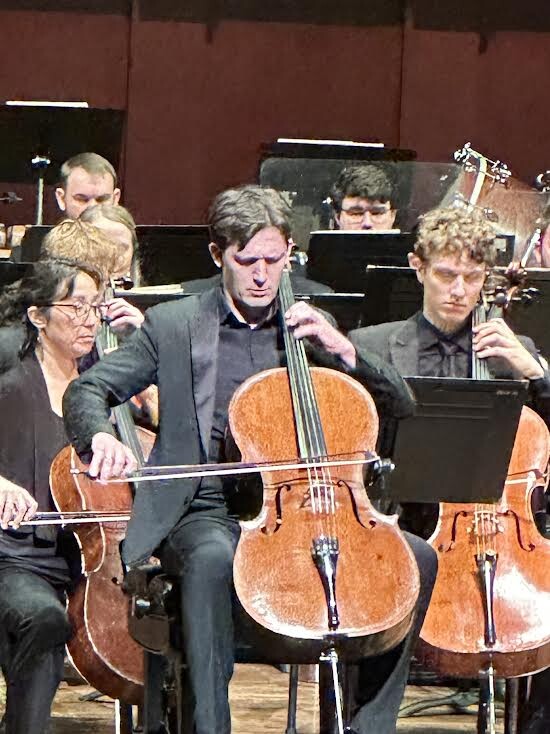
Photo by April Christian-Davis Maximilian Hornung cello

What a beautifully written reflection on an unforgettable performance. You could really feel the emotion and atmosphere of the evening through every paragraph, especially the way the cello performance was described. It’s refreshing to read something so thoughtful in a time where quick content and meme creation often dominate attention online. This article reminds people how powerful live music and genuine human connection can still be.



Sunny, with a high of 71 and low of 51 degrees. Sunny in the morning, overcast for the afternoon and evening, clear overnight.