56° and Overcast
Image
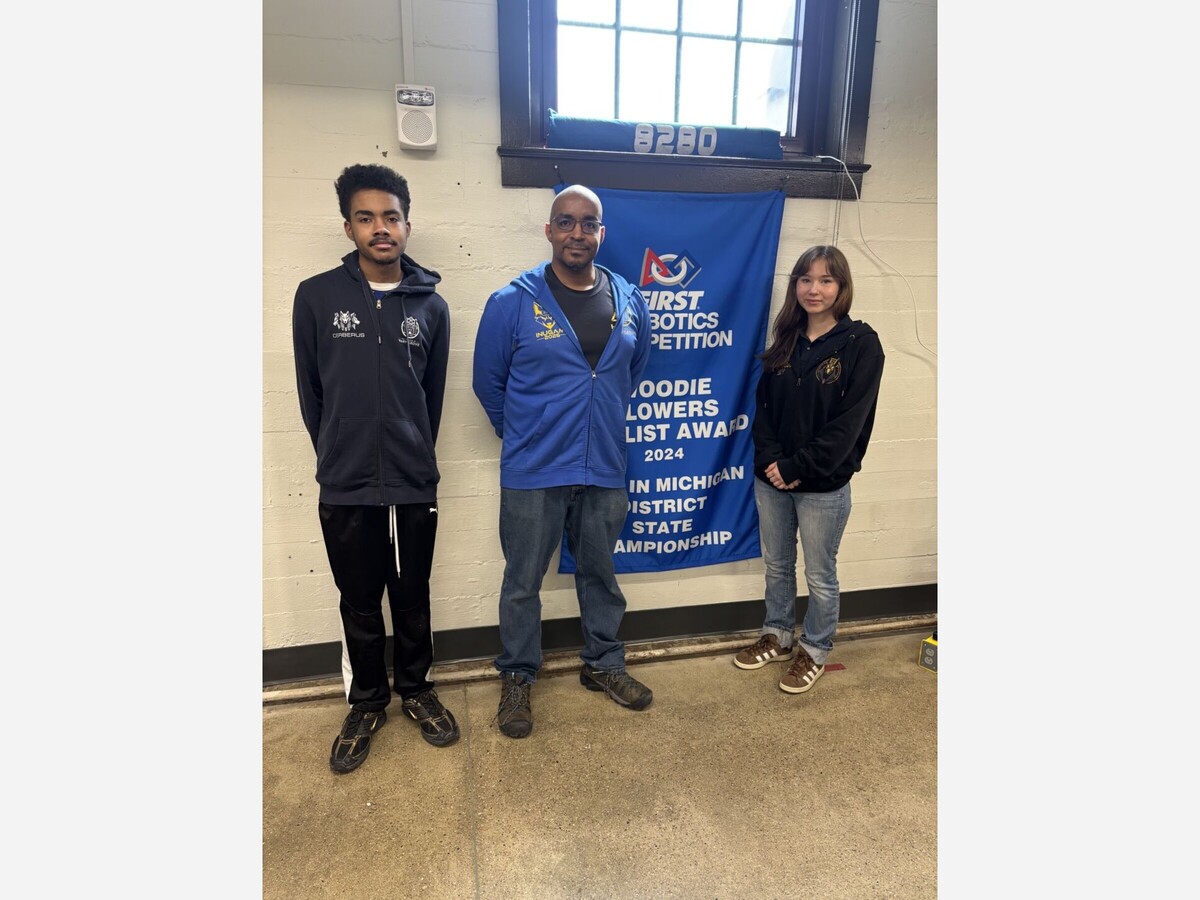
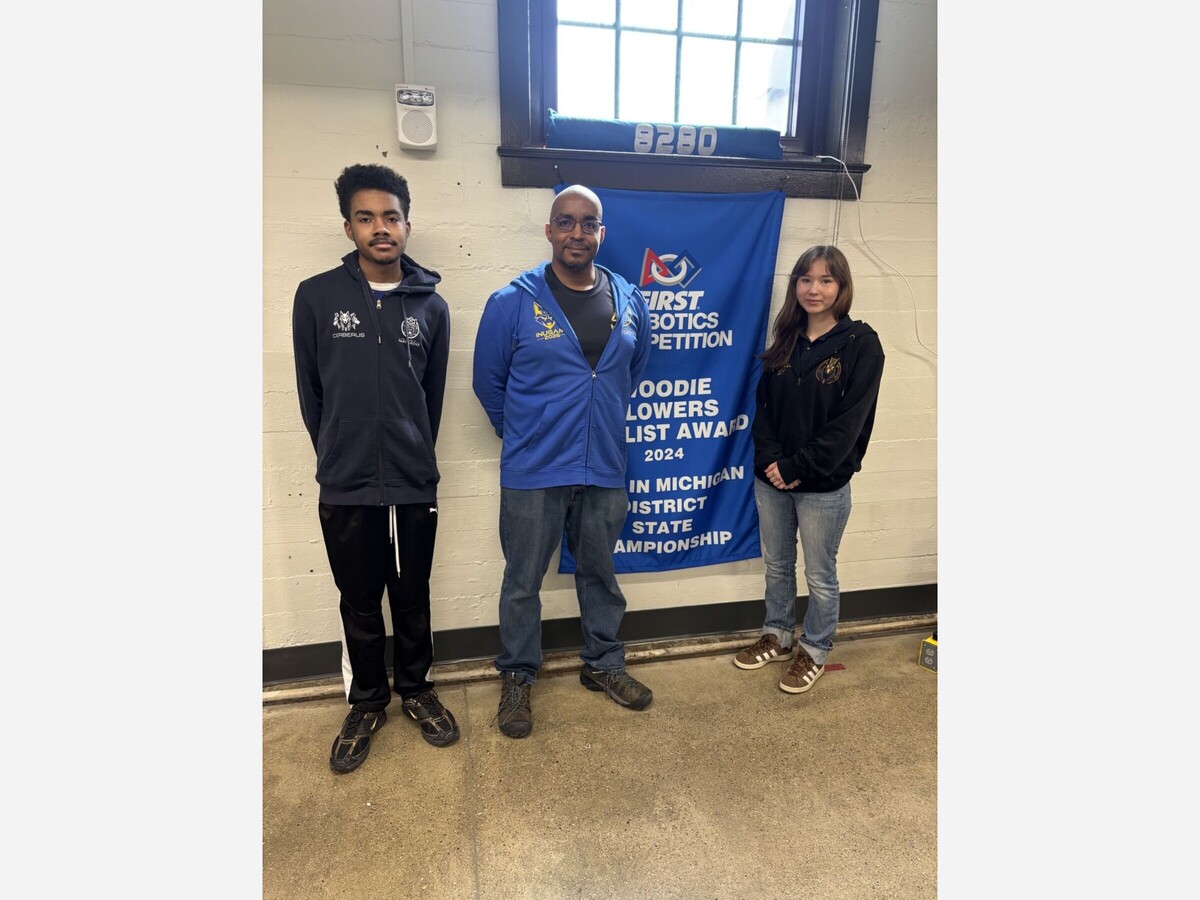
Leon Pryor 111 son, Leon Pryor Father, Finn Nahabedian,



DETROIT (WXYZ) — A group of students at Detroit’s Marygrove High School is making history.
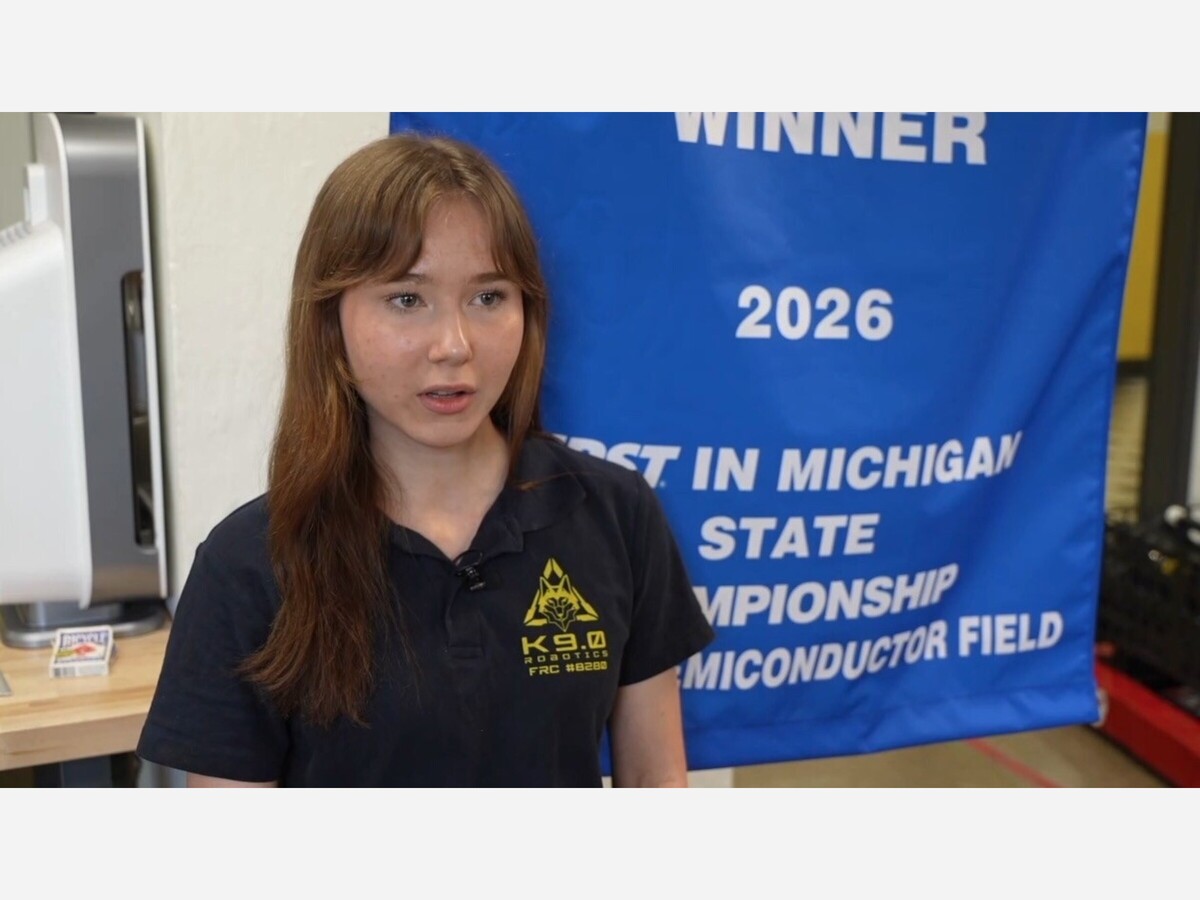
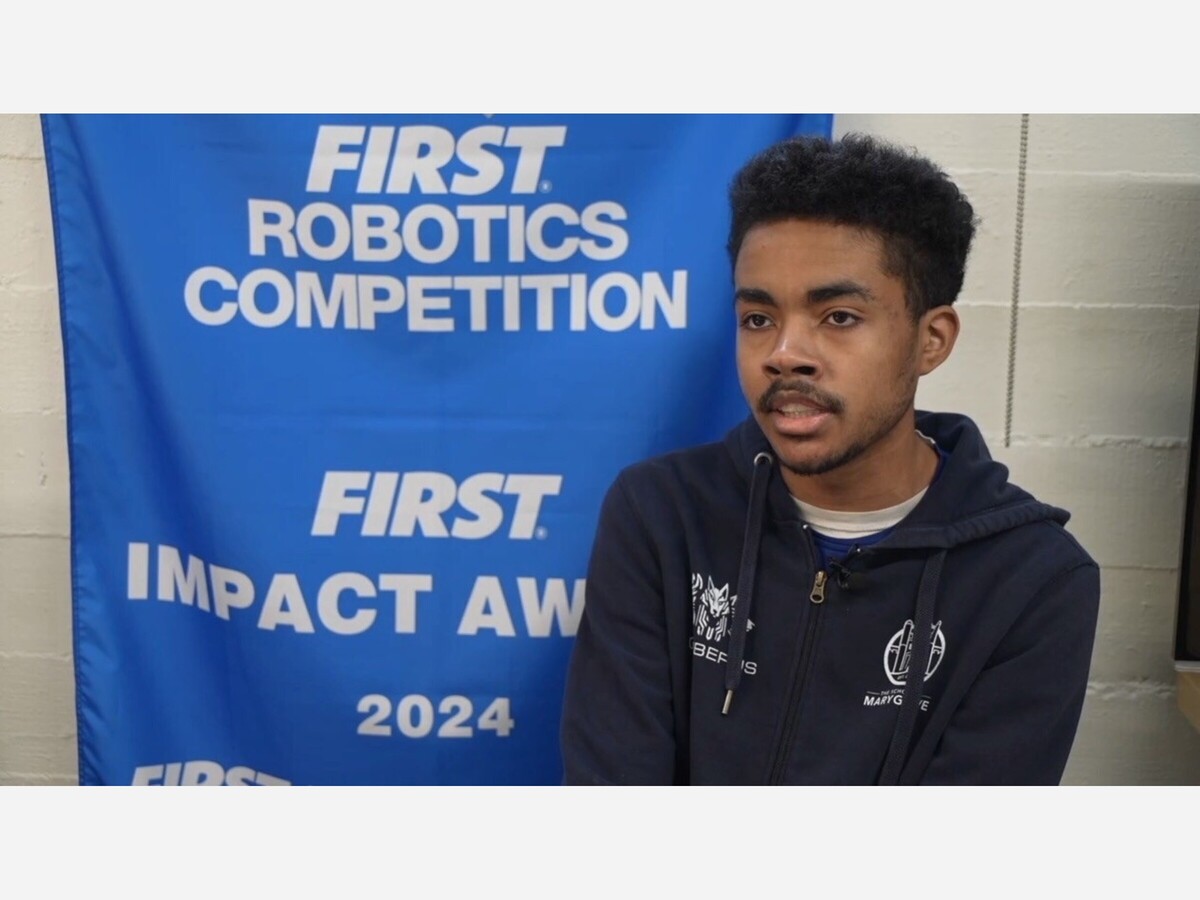
Next week, the school’s robotics team will compete in the FIRST Robotics World Championship in Houston. This makes them the first Detroit public school to earn the honor in nearly two decades.
Inside the lab at Marygrove High School, something special is being built.
"They've shown that Detroit students are absolutely still capable of standing with anyone in the world," Leon Pryor said.
April Christian-Davis
Four years ago, the school on the city’s west side felt like a place people had quietly given up on. The robotics lab—if you could even call it that—was a dusty room with half-broken kits, tangled wires, and computers too old to run modern software. The team itself had been gone for decades, a relic of a time when the school still believed it could compete.
Then Pryor arrived.
He wasn’t a teacher by trade. He came from the fast-paced world of video game production, where deadlines were brutal and innovation was survival. When he volunteered to coach the newly relaunched robotics team, people assumed he’d bring polish and expertise.
Instead, he brought honesty.
“We started from a position where we were all rookies,” Pryor told the students on the first day, standing in that cluttered lab. “The kids were rookies. I was a rookie. And we were literally 30 years behind.”
WXYZ TV
The room had gone quiet. Some students glanced at the door, already reconsidering their decision to join.
“So how can we close that gap?” Pryor asked.
No one answered.
At first, progress was painfully slow. The robot they built that first year barely moved. Motors failed. Code crashed. Screws went missing. Competitions were humbling—other teams arrived with sleek machines and practiced confidence, while K9.0 Robotics struggled just to pass inspection.
But Pryor refused to let failure define them.
Instead, he introduced a simple idea: small, continuous improvement.
Every day, just get a little better.
One wire properly connected. One line of code that worked. One mistake understood and not repeated.
At first, it felt insignificant. The students wanted breakthroughs, not baby steps. But Pryor insisted. “If you improve one percent every day,” he said, “you won’t recognize yourselves in a year.”
So they kept going.
They stayed after school, sometimes late into the evening. They learned how to strip wires, solder joints, debug code. They argued, failed, tried again. Slowly, the chaos in the lab began to turn into something else—focus.
Something clicked during their second year.
A freshman who had once admitted, “I don’t know anything about robots,” calmly fixed a wiring issue that had stalled the entire team. Another student rewrote a chunk of code in minutes that used to take them hours. The robot moved faster, smoother. It responded.
By year three, people started noticing.
They weren’t the best team—not yet—but they were no longer the weakest. Judges began asking them questions. Other teams stopped overlooking them.
And then came the moment no one expected.
At a regional competition, their robot malfunctioned just minutes before a critical match. Panic rippled through the group. The clock was ticking. Spectators watched.
Pryor stepped back.
“What do we do?” someone asked.
But he didn’t answer.
One of the students—the same one who once claimed to know nothing—grabbed a tool, opened the panel, and started working. Another traced the wiring. A third adjusted the code. No shouting. No chaos.
just quiet, practiced precision.
Within minutes, the robot powered back on.
And this time, it didn’t just move—it performed flawlessly.
They didn’t win that day. But they came close enough that it changed everything.
Afterward, Pryor stood with the team as they packed up.
“I’ve had kids come in saying they don’t know anything about robots or electrical systems,” he said, watching them laugh and replay the match on someone’s phone. “And now they can re-wire a robot in minutes.”
He paused, a small smile forming.
“We were never really 30 years behind,” he added. “We just hadn’t started yet.”
In the years since, K9.0 Robotics became something more than a team. It became proof—quiet, steady, undeniable—that progress doesn’t come from sudden leaps.
It comes from showing up, again and again, and getting just a little better each time. Congraulations Marygrove High School and K9.0 Robotics team. For more information go to
https://www.wxyz.com/randy-wimbley and
Demetrios Sanders is one of your Detroit community reporters. Connect with him at Demetrios.Sanders@wxyz.com.



Partly Cloudy, with a high of 70 and low of 48 degrees. Partly Cloudy in the morning, overcast during the afternoon and evening,